What Growing Companies Get Wrong About Manager Training
Most growing companies promote their best worker into a manager job and then give them zero training. That one habit costs you good people, good managers and a lot of Monday mornings you'll never get back.
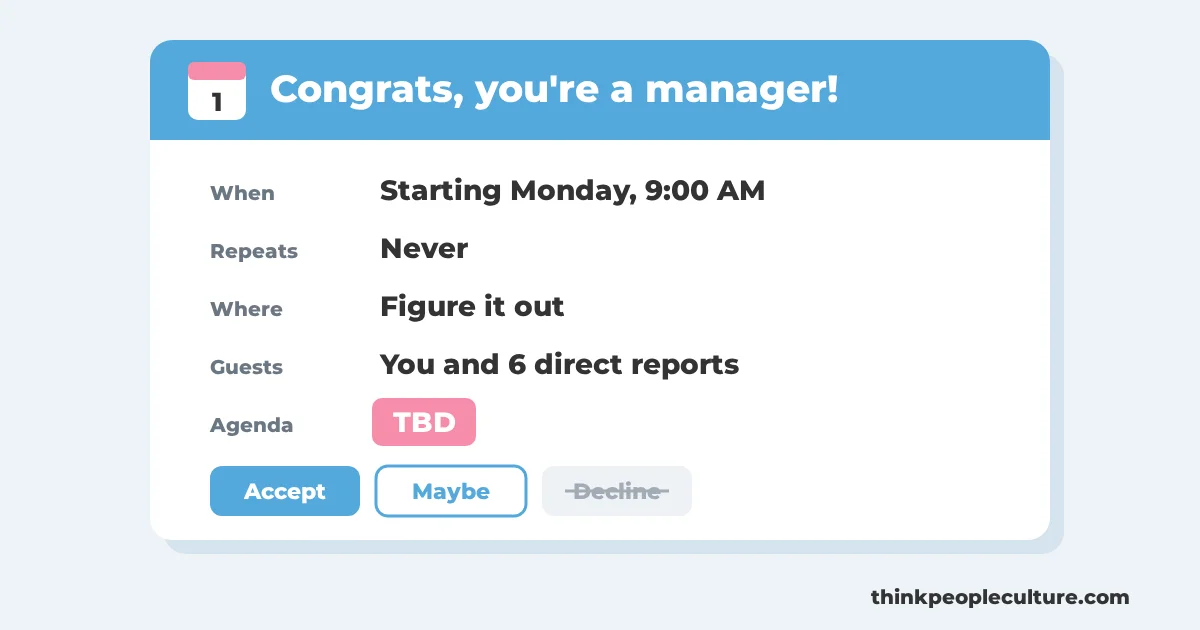
What typically happens is your top salesperson or your sharpest technician absolutely crushes it for two years, so you give them a team, a new shiny title and a pat on the back, “Congrats, Brittany!”
Then you go back to running the business. Six months later her team has gone quiet, somebody quit, and your new manager looks like they haven't slept since the promotion. Nobody did anything wrong on purpose. You just skipped the part where someone shows them how to lead.
And the sad part is you aren't alone in this. Gallup's 2025 State of the Global Workplace report found that only 44% of managers have ever received management training. So, more than half the people running teams are figuring it out as they go, which is a very polite way of saying they're guessing.
Why Promoted Managers Often Struggle to Lead
Promoted managers struggle because the skills that made them great at their old jobs aren't the same kinds of skills they need now. Doing the work well and getting work done through other people are two different jobs and most companies only ever trained them for the first one.
Overnight, a first time manager has to give feedback to a friend, run a Performance Review, deal with an attendance problem and say no to the person who used to share their lunch table. Nobody hands them a script. So, they usually do one of two things, they avoid the hard talks and hope it all sorts itself out or they swing too hard and turn into the boss they used to complain about at happy hour.
The stress is real and it sticks around. DDI's Leadership Transitions Report found that 45% of leaders who had a stressful move into leadership rated themselves as average or below average compared to their peers. A rough start doesn't just make for a rough first month, it shapes the kind of leader someone turns into.
And the people who feel it first? Your team! Gallup found that 70% of the variance in team engagement is determined by the manager. That number is worth reading twice, because it means the person you promoted last spring has more say over how your people show up than your perks, your mission statement, or the fancy barista level espresso machine in the break room.
The takeaway: Great workers don’t turn into great managers on their own and the gap shows up in your team before it shows up anywhere else.
What Effective Manager Training Actually Looks Like
Effective Manager Training is practical, ongoing, and tied to the real problems your managers face this week. It teaches people how to have hard conversations, set clear expectations, coach their team, and then it gives them someone to call when the hard conversation goes sideways.
Most small companies think Manager Training means a one day workshop or a login to an online course that nobody finishes. Those can help a little, but leadership sticks through practice and feedback, and slides can't give anyone either one.
Good Manager Training for a company of 12 to 350 people usually covers a handful of basics:
- How to run a weekly One on One that's actually useful
- How to give feedback that's clear and kind at the same time
- How to set expectations so nobody has to guess what good looks like
- How to document a performance problem before it becomes a legal problem
- How to handle a first termination without losing sleep over it
That last one matters more than most owners think, especially for California companies, where one sloppy termination can turn into a very expensive lesson.
The other half of this is coaching. Training tells a manager what to do and coaching helps them do it when the moment actually shows up, like when their best employee asks for a raise at 4:45 on a Friday. Gallup's research found that managers who finished a strengths based manager development program had 21% to 28% lower employee turnover than their peers.
The takeaway: Real Manager Training is practice plus coaching, and a single workshop with a certificate at the end won't get you there.
How Fractional HR Support Can Fill the Training Gap
Fractional HR fills the training gap by giving you a senior HR leader who trains and coaches your managers without the cost of a full time hire. For most growing companies, that's the difference between saying "we should really train our managers" and actually doing it.
Most companies your size don't have an HR person, or they have one person buried in payroll and benefits questions. That's where I come in. As a Fractional HR leader, I work with your managers on the real stuff, like the Performance Review they're dreading, the employee who keeps showing up late and the team meeting that turned into a group complaint session.
You get one person who knows your business, so you don't have to explain who you are every time you call. I work on one flat monthly fee for a defined scope, so nobody has to think twice before picking up the phone when a new manager needs help at the worst possible moment. And when something crosses into legal territory, HR prepares it and your attorney reviews it.
If you're new to the idea, I wrote a whole post on what Fractional HR leadership is and how it works. You can also see the Leadership and Manager Training service on my services page, or check the FAQ for the questions most owners ask first.
The takeaway: Fractional HR gives your managers a real coach and a real plan without adding a full time salary.
Building a Culture Where Managers Actually Lead Well
You build a culture where managers lead well by making leadership part of the day to day instead of a one time event. That means clear expectations for managers, regular check ins and leaders at the top who show the behavior they want to see.
Culture comes from what your managers do on a regular Wednesday afternoon, like how they answer a question, how they handle a mistake and whether or not they notice when someone's running on empty. The poster in the hallway can't do any of that. I wrote a whole book about this, Don't Suck at Culture, because I watched too many companies spend money on perks while their managers quietly walked good people out the door.
Keep a close eye on your high performers. They're often the ones who get promoted with no training, and they're also the ones most likely to burn out trying to do two jobs at once. If that sounds a little too familiar, read my post on how to spot and stop high performer burnout.
A few habits that help managers lead well:
- Owners and senior leaders get coached too, not just new managers
- Managers have a clear list of what they own and what they don't
- Feedback goes both ways, so managers hear how they're doing
- Every promotion comes with a training plan along with the new title
The takeaway: Managers lead the way your culture lets them. So, build the habits and the support right into how you run the company.
Is Your Company Ready to Develop Its Managers?
Your company is ready to develop its managers if you've promoted someone in the last year, you're about to grow, or you keep hearing about the same people problems over and over and over again. If any of those sound like you, the best time to start was before the promotion, and the second best time is right now.
Ask yourself a few honest questions:
- Did your newest manager get any training before or after the promotion?
- Can your managers run a Performance Review without dreading it for weeks?
- When a manager has a people problem, who do they call?
- Are you, the owner, still the one cleaning up every manager mistake?
If you answered that last one with a tired sigh, you're carrying a job that belongs to someone else. Most owners I talk with want HR off their plate so they can focus on running the company, and training your managers is how you actually get there.
I work with California and US companies that have 12 to 350 employees, and you can see more about how I support California employers.
The takeaway: If you've promoted someone without a plan, you're ready, and waiting only makes the fix bigger.
FAQ
What is Manager Training for new leaders?
Manager Training for new leaders teaches first time managers the people skills their old job never needed, like giving feedback, running a One on One, setting expectations and handling performance problems.
Why do new managers struggle?
Most new managers struggle because they were promoted for being great at the work and then given no training on leading people. Without support, they avoid hard conversations or overcorrect, and their team feels it first.
How long does it take to train a new manager?
There isn't one set timeline. The basics can be covered in the first few months, but real skill comes from practice and coaching over time, so plan for ongoing support instead of a single class.
Can a small company afford Manager Training?
Yes, a company with 12 to 350 employees doesn't need a full time trainer on staff. Fractional HR gives you a senior HR leader on one flat monthly fee for a defined scope, so your managers get training and coaching without a new salary on the books.
Let's Get Your Managers Some Backup
If your newest manager is learning to lead by trial and error, let's fix that before your best people pay for it. Book a call and tell me what's going on with your team. I'll tell you honestly whether Fractional HR makes sense for you, and if it doesn't, I'll say so.
Hire Better. Lead Smarter. Don't Suck!
Get HR Insights Delivered
Join our newsletter for the latest HR trends, tips, and best practices delivered straight to your inbox.
We respect your privacy. Unsubscribe at any time.