Boost Staff Morale: 3 Expert Tips to Enhance Employee Experience
Paying for HR help and still the one fixing it?
Answer 8 yes or no questions, and in 2 minutes you'll know if you need software, a PEO or one person who owns it.
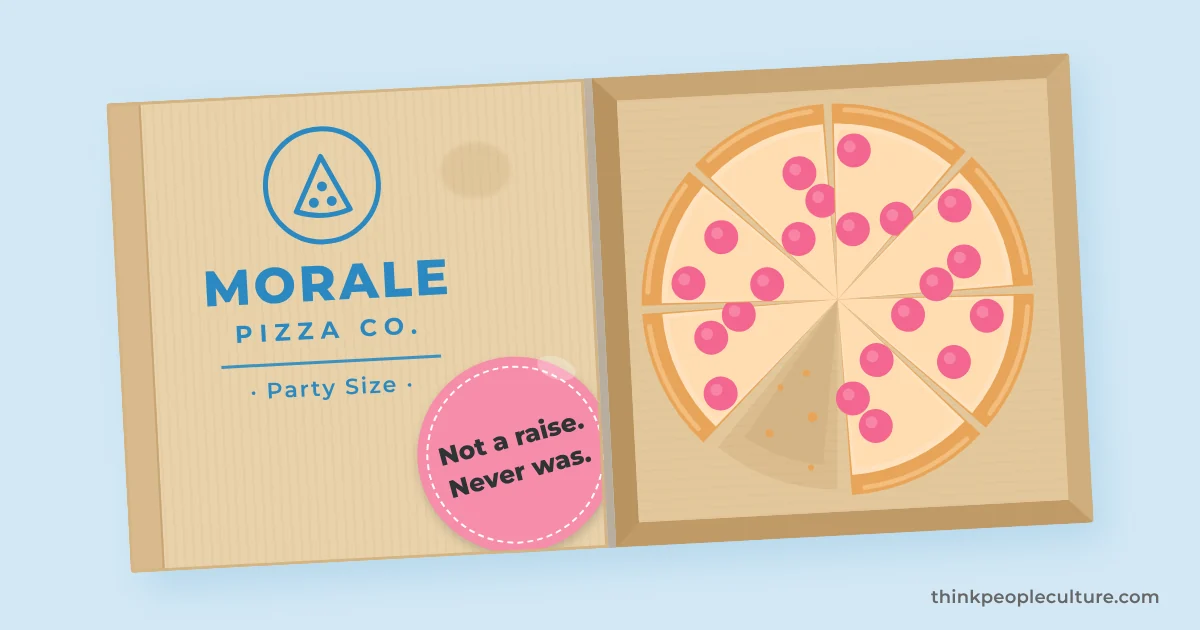
Show me what fitsEvery few months somebody in a leadership meeting says "morale feels low," and somebody else says "let's do a pizza party." The pizza shows up on Friday, and by Monday the team is just as tired, just as underpaid and now a little greasier.
I've spent more than 20 years in HR, and I've never once seen a pepperoni fix a bad manager. So, let's walk through what morale really is, the signs it's dropping, what kills it and the 3 tips that actually improve the Employee Experience. There's also one question I'd ask every manager before you spend a dime on perks, and a lot of them can't answer it fast.
What Is Employee Morale and Why Does It Matter?
Employee Morale is how people feel about coming to work, meaning their mood, their energy and whether they think the place is worth their effort. With high morale, people go past the minimum without being asked, and when it's low, you get exactly what's in the Job Description.
Morale is the mood in the room, and Employee Engagement is how invested people are in the work, so they usually move together. Gallup's State of the Global Workplace report found global employee engagement fell to 20% in 2025, its lowest level since 2020, costing the world economy about $10 trillion in lost productivity.
At a small company, low morale shows up as the job posting you're running for the third time this year. The Bureau of Labor Statistics counted 3.1 million quits in August 2026, and I'd bet plenty of those started with a bad mood.
The Takeaway: Morale is the early warning light for turnover, so treat it like a number you watch instead of a vibe you hope for.
Signs Your Team's Morale Is Dropping
The signs of low employee morale are quiet before they get loud, so watch what people do more than what they say. Nobody announces low morale in a meeting, but you'll notice when the birthday card goes around and three people sign it with just their initials.
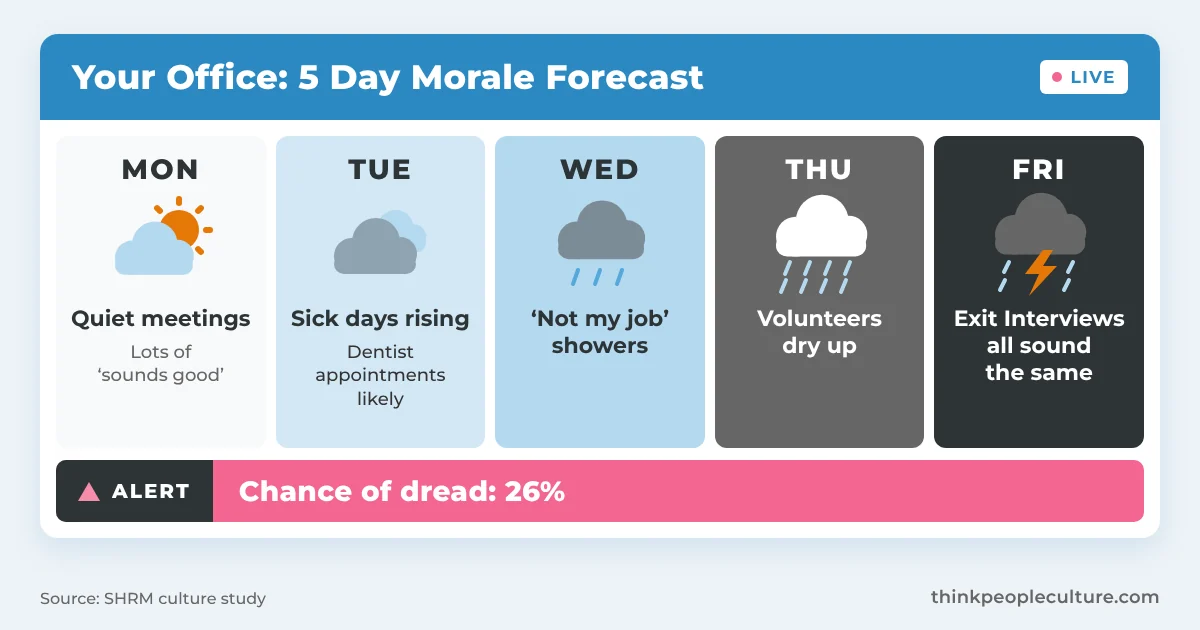
- Meetings go quiet. People who used to push back now just say "sounds good."
- Absenteeism creeps up. You see more sick days and a suspicious number of dentist appointments.
- "That's not my job" shows up. People stop doing the extra stuff that never made the Job Description.
- Your go to people stop volunteering. The folks who always took the hard projects suddenly have full plates.
- Exit Interviews start to sound the same. It's the same manager and the same workload with different names.
In a 2019 SHRM study on workplace culture, 26% of Americans said they dread going into work, so about one in four people would rather spend Monday at the DMV.
The Takeaway: Watch who stopped talking, because silence is usually the first sign of low morale.
What Kills Morale at Work?
Morale dies from unfair treatment, too much work and managers who don't support their people. Gallup's research on the five main causes of burnout names unfair treatment at work, unmanageable workload, lack of role clarity, unreasonable time pressure and lack of communication and support from the manager.
Gallup found that employees who strongly agree they're often treated unfairly at work are 2.3 times more likely to experience a high level of burnout. Your team notices who gets the good projects and who gets the raise, and they keep score even when you don't.
Workload is the other big one, and morale suffers fast when the same few people carry everything. In SHRM's 2024 mental health research, 44% of workers said they felt burned out from their work. My post on high performer burnout shows how that hits your strongest people first.
A CEO I consulted for sent an email saying it was the best quarter in company history and that he couldn't be prouder of everyone. The celebration was a mandatory cake in the break room, and people had to clock out to eat it. It was one sheet cake for about 60 people, with a plastic knife that snapped on the first cut.
The year before, that same team had skipped the raise everyone expected and gotten a deli tray instead. Nobody had seen a cost of living raise in two years, and I don't need to tell you how that cake landed.
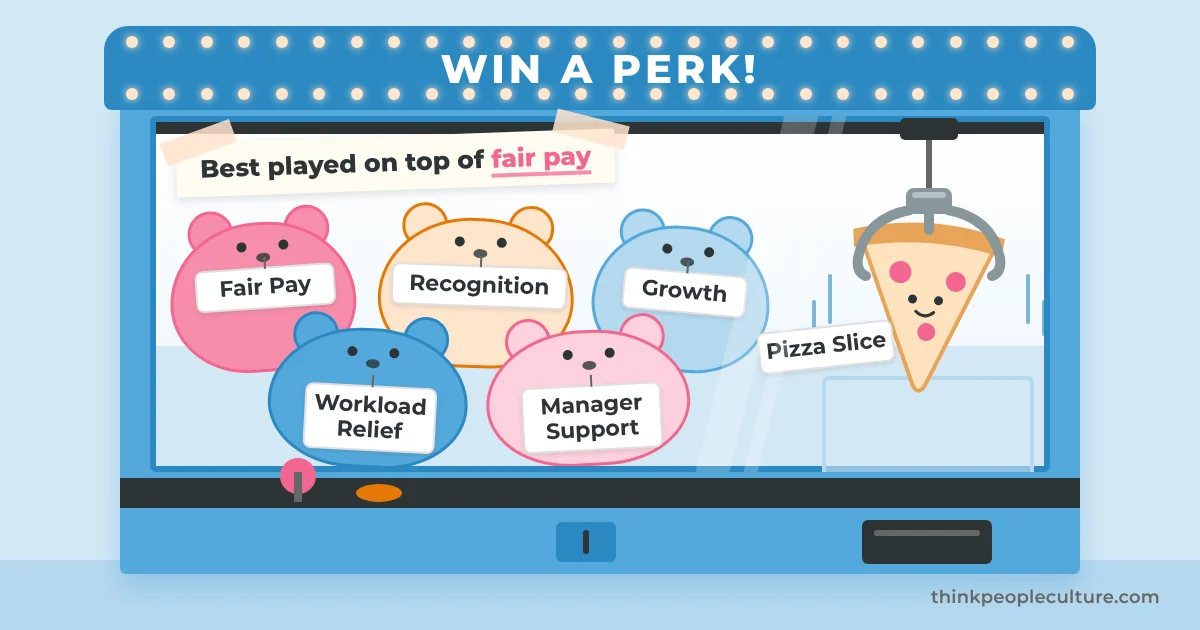
Perks and benefits aren't the problem, because a pizza party on top of fair pay is a nice Friday, but a pizza party instead of fair pay is just an insult with extra cheese.
In Don't Suck at Culture, I tell the story of a 180 person insurance brokerage where the CEO's Friday feedback session "had become the most dreaded hour of the week."
I found out when I asked the office manager why the parking lot "looked like Black Friday at 2:58 PM every Friday." People were leaving early to dodge it. What turned it around was the CEO going first and owning his own mistakes, which didn't cost a single slice.
The Takeaway: Fix fairness and workload first, then add the fun stuff, because perks on top of a broken system just look like a bribe.
Why Managers Make or Break Morale
Managers drive morale more than any perk, policy or poster. Gallup estimates that managers account for at least 70% of the variance in employee engagement scores across business units, and my book Don't Suck at Culture boils it down to one line, "Culture is what you let slide, not what's jammed in a PowerPoint deck."
In that same 2019 SHRM study, 36% of people said their manager doesn't know how to lead a team, and Gallup found global manager engagement dropped to 22% in 2025, down nine points since 2022. You can't expect a checked out manager to light a fire under anybody.
So, about that question I promised. Ask each manager, "When did you last tell someone on your team, by name, what they did well?" If they have to think about it, you just found your morale problem. My post on training first time managers covers the basics, and Leadership Training is how we build those habits with your managers.
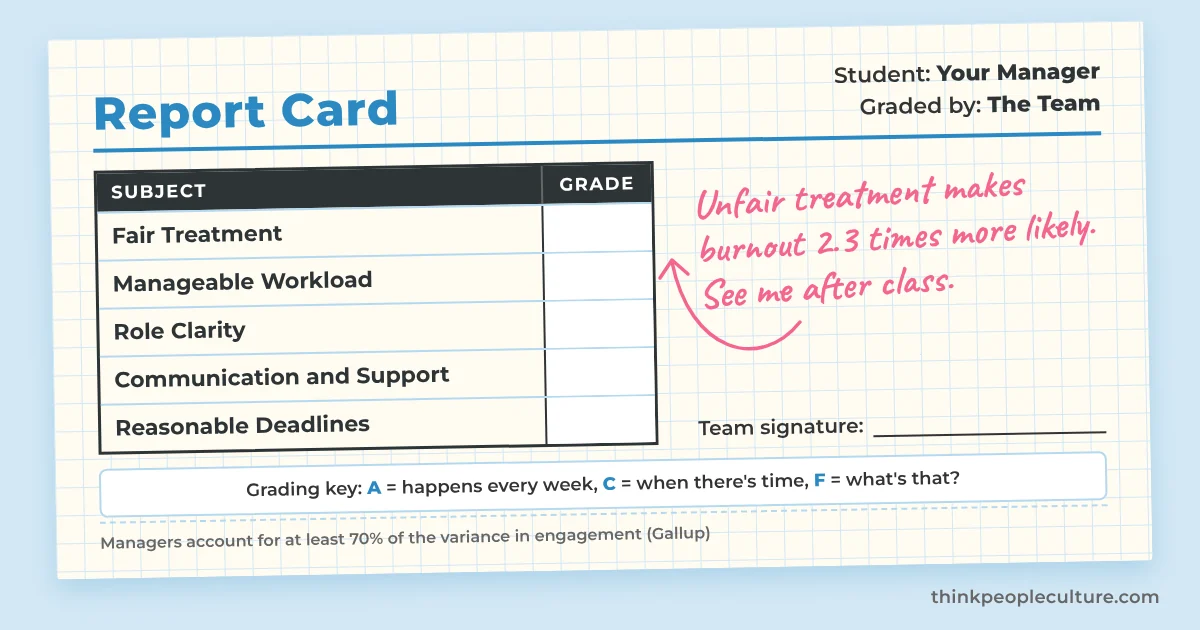
The Takeaway: If you only have budget for one morale fix, spend it on your managers.
1. Cultivate Meaningful Recognition
In my experience, the fastest way to boost employee morale is recognition that's specific, timely and fair. Gallup and Workhuman found that well recognized employees are 45% less likely to have turned over after two years, which makes a good thank you one of the cheapest retention tools you've got.
- Make it specific and timely. "Good job" is nice, but "you calmed down that client on Tuesday and saved the account" is what people remember.
- Tailor it to the person. Some people love a shout out in the all hands, and some would rather hide under their desk.
- Let it flow in every direction. It should go from managers to employees, peer to peer and even up to leaders.
- Tie it to your values and keep it fair. Name what a job well done looks like, because praise that always lands on the same three people is just favoritism with better manners.
Quick Win: Start a Peer Recognition habit, like two minutes at the weekly team meeting or a channel in Slack where team members thank each other by name. For more ideas, read 7 ways Employee Recognition is key to retention.
The Takeaway: Specific beats fancy, and one sentence that names what someone did makes people feel valued longer than any gift card.
2. Prioritize Development and Growth
You improve employee morale for the long haul when people can see where they're going. At a small company, professional development runs on conversations more than budget, starting with a manager who asks "what do you want to be doing in two years?" and then actually helps. At a small company the career ladder is usually more of a step stool, so make every step count.
- Build individual development plans. Map out what each person wants to learn and how it fits what the business needs.
- Mix up how people learn. Stretch assignments, projects with other teams, a good mentor and learning during work hours often teach more than a class.
- Celebrate milestones. When someone learns a new skill, say so out loud.
Quick Win: Run a monthly "Skill Share" or lunch and learn where one team member teaches everybody else something from their area, so people learn from one another and the teacher gets recognized too.
The Takeaway: Career development at a small company is mostly a conversation, so have it before your best person has it with a recruiter.
3. Foster Meaningful Connection
People who trust their coworkers show up with more energy. Gallup data indicate that having a best friend at work is strongly linked to business outcomes, including profitability, safety and retention, yet in the US just two in 10 employees report having one.
- Build Psychological Safety. People need to feel safe to speak up, ask a "dumb" question or admit a mistake without getting punished, and that's how you build trust.
- Support work life balance. Give people the flexibility to handle life outside work, like flexible hours, hybrid work or just not texting them on Sunday.
- Plan team experiences people actually want. Skip the mandatory 7 PM bowling night and ask the team what sounds fun.
Quick Win: Open team meetings with a "Connection Question," where everyone shares something outside work, like a weekend highlight. It takes five minutes, and you'll learn more about your team than a year of status updates.
The Takeaway: You can't force connection at a mandatory happy hour, but you can make space for it every week.
Measuring Morale Improvement
You measure morale by tracking a few numbers every quarter, asking people how they feel and watching the trend:
- Employee Satisfaction Surveys, especially questions on recognition, growth and belonging
- Voluntary turnover and absenteeism, broken out by manager (my guide to mastering Employee Retention covers what to fix first)
- Who shows up for optional programs and events
- Customer satisfaction scores
- Productivity and performance numbers
- What you hear in Stay Interviews and Exit Interviews
The Takeaway: Track turnover by manager, and you'll usually find your morale problem has a name.
When to Bring In Outside Help
Bring in help when morale keeps sliding after you've tried the obvious fixes, or when nobody inside has time to own it. For a company with 12 to 350 employees, that's usually when the owner can't be in every room and a full time head of HR is still more than you need.
Morale lives inside your Company Culture. I cover that in how culture plays out in a normal workday and in my book Don't Suck at Culture. Our Culture Development work finds what's dragging morale down, trains your managers and sets up the check ins that keep it from sliding again.
The Takeaway: If two pizza parties and a raffle didn't fix it, it's time for a real fix.
If morale's been low for a while and you'd like help turning it around, my 90 Day Engagement gives you 3 months of senior HR help on it.
Frequently Asked Questions
What kills morale at work?
Unfair treatment, unmanageable workloads, unclear roles and managers who don't support their people are the big ones. Offering perks instead of fair pay makes all of it worse.
What are the signs of low employee morale?
Quiet meetings, more sick days, people doing only their Job Description and your best people going silent.
How can I boost employee morale quickly?
Give specific recognition this week, fix one obvious fairness or workload problem and have managers hold regular one on ones. All three cost almost nothing.
What is the difference between employee morale and employee engagement?
Morale is how people feel about work right now, and Employee Engagement is how invested they are in the work. They usually move together, so falling morale is an early warning for engagement.
How do you measure employee morale?
Use short Employee Satisfaction Surveys, track voluntary turnover and absenteeism by manager and listen closely in Stay Interviews.
Let's Find What's Really Dragging Morale Down
Before anyone orders another pizza, tell me about the team. If morale is really a manager problem, a pay problem or a workload problem, I'll say which one and whether I'm the person to fix it.
Hire Better. Lead Smarter. Don't Suck!
The question owners ask right after this one
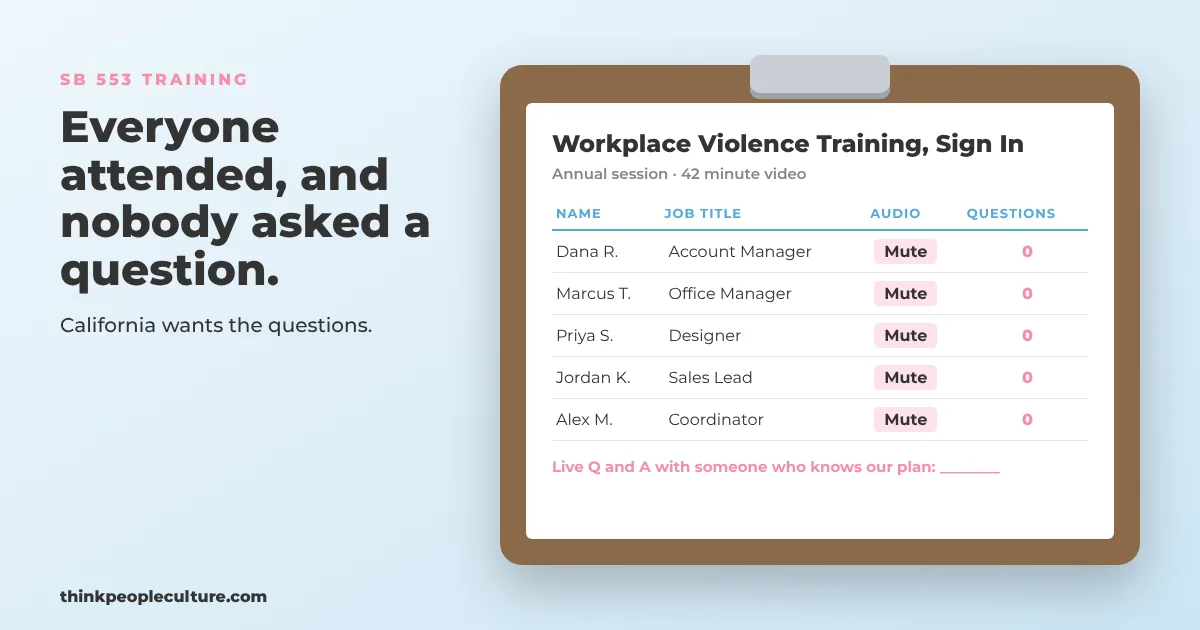
SB 553 Training Requirements: What California Employers Owe Every Year
SB 553 training in plain words: who needs it, what it must cover, the live Q and A part, the incident log, records and the Cal/OSHA rule due in 2026.
Read the Full Post about SB 553 Training Requirements: What California Employers Owe Every Year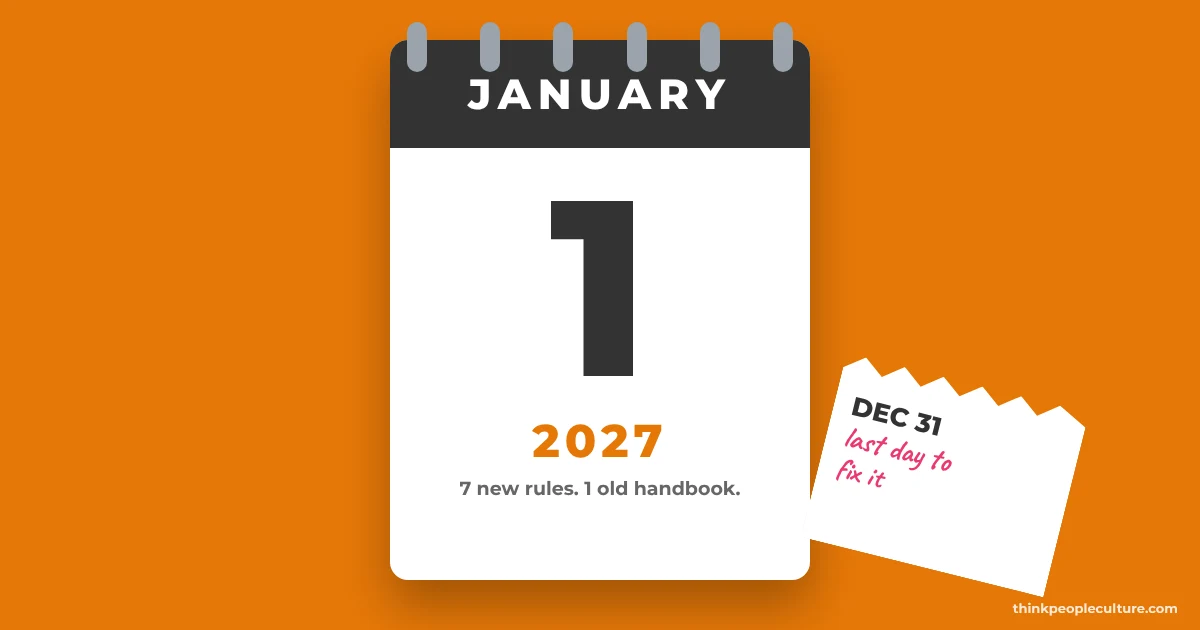
California Employee Handbook Changes for 2027: What to Update Before January 1
What California employers must update in the Employee Handbook for 2027: bereavement, immigration retaliation, dress codes, monitoring and pay.
Read the Full Post about California Employee Handbook Changes for 2027: What to Update Before January 1Or skip the reading and see how I'd take this off your plate.
HR Help in Your Inbox
My free newsletter for owners with no HR person, with plain answers sent when there's something worth reading.
We respect your privacy. Unsubscribe at any time.